
Septic and Cesspool Waste
Septic waste removal is an unsavory task, and proper disposal of septic tank waste is mandatory. Environmental regulations hold individuals and businesses that generate septic tank and cesspool waste directly responsible for its proper removal and disposal, making a clean environment not just important for everyone, but something that goes straight to your pocketbook.
How septic tanks work:
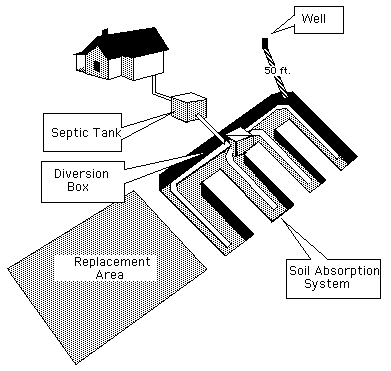
Septic Systems consist of two basic parts; a septic tank and soil absorption system. The septic tank provides a means of treatment for the wastewater by creating a large quiet compartment to allow solid matter to settle out of the wastewater and collect in the tank. Once the large solid material is settled out, the sewage flows into a deep layer of soil where the soil, and microorganisms growing in the soil remove the pollutants before the wastewater enters ground or surface water. When properly designed, constructed, and maintained septic systems do an excellent job of removing pollutants from wastewater.
Here are a few things property owners can do to insure their septic system operates effectively and trouble free for many years.
Conserve Water.
Since the soil must accept all of the water used in your home, using less water is the best thing you can do to maintain your septic system. Water conservation includes:- Repairing water leaks, such as toilet valves that don’t seal and dripping faucets.
- Space out water use throughout the day and week. For example, avoid washing all of your laundry on one day.
- Install water conserving fixtures like low flow shower heads, low flow toilets, and even purchase a front loading washing machine.
Careful Landscaping.
The soil absorption system (or leach field) is the most important part of a septic system, so it is important to protect the area. Careful landscaping includes:- Diverting downspouts and other rainwater drainage away from the soil absorption system area. The extra rainwater can overwhelm the leach field.
- Parking cars, boats, other vehicles, or heavy equipment away from the soil absorption system area. If the soil is compacted, the leach field has difficulty accepting wastewater, causing it to surface in the yard or back-up into the house.
- Keeping pavement, decks, above ground pools, and out buildings off of and away from the soil absorption system area. Construction activity can compact the soil and the structures limit access to the leach field for maintenance.
Pump Septic Tank.
Septic Tanks are installed to allow solids to settle out of sewage and hold these solids in the tank. Over the years of operating, accumulated solids begin taking up too much room in the tank, reducing the volume available for settling. When this happens, solids start escaping the tank and can clog the soil in the soil absorption area. Before this happens, the septic tank should be pumped to remove the solids. We recommend that septic tanks are pumped every 3-5 years.- Do not wait for the system to back-up before you pump your septic tank. Back-ups can be caused by clogging of the soil from sewage solids carried out of an unmaintained septic tank. Once the sewage backs-up, the damage is already done.
- Do not use biological or chemical additive in place of septic tank pumping.
- Pump the tank based on the size of the tank and the number of people using it. The table is a guide for routine septic tank pumping. More frequent pumping may be necessary if garbage disposals are used.
- To facilitate future cleaning, install risers to the surface of the ground before burying the tank.
Say goodbye to the burden of septic waste removal.
Our business is taking the burden of septic tank and cesspool waste removal and disposal away from you or your business. We offer you a complete solution that relieves you of the hassle and risk of septic waste disposal. From maintaining your septic tank to safe transport and environmentally friendly disposal of your waste, to proper documentation of waste removal and disposal, Johnson Pumping offers you the service you want at an affordable price. Quickly and cleanly for you and your environment.